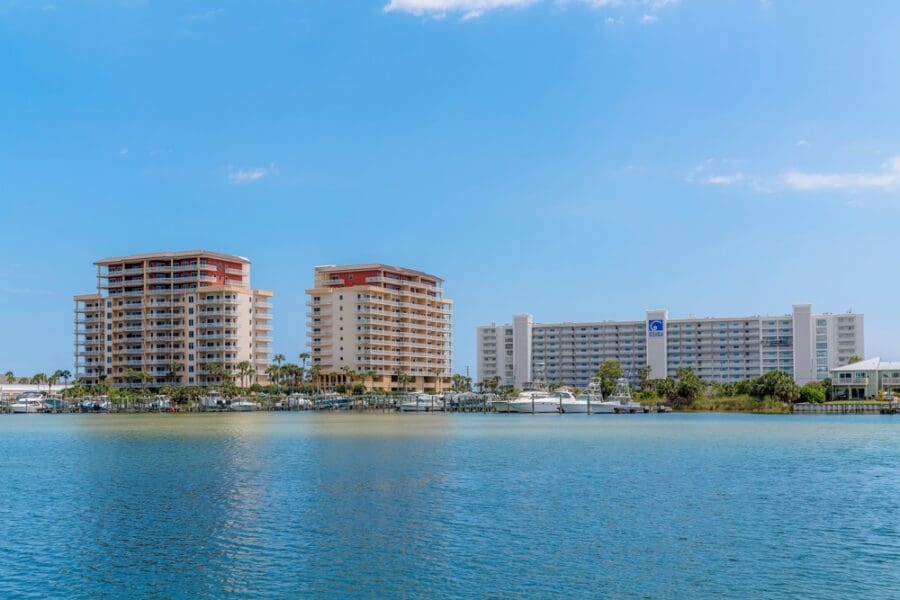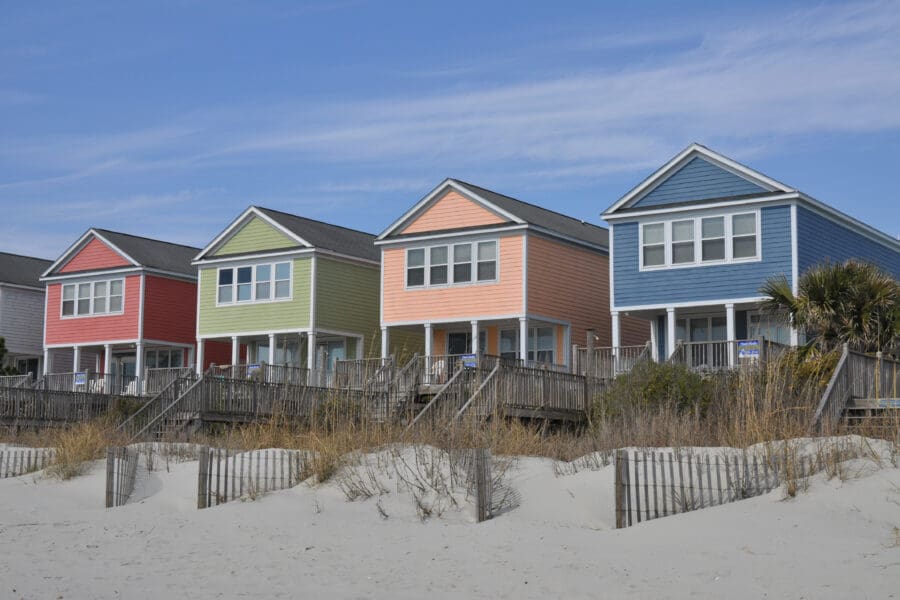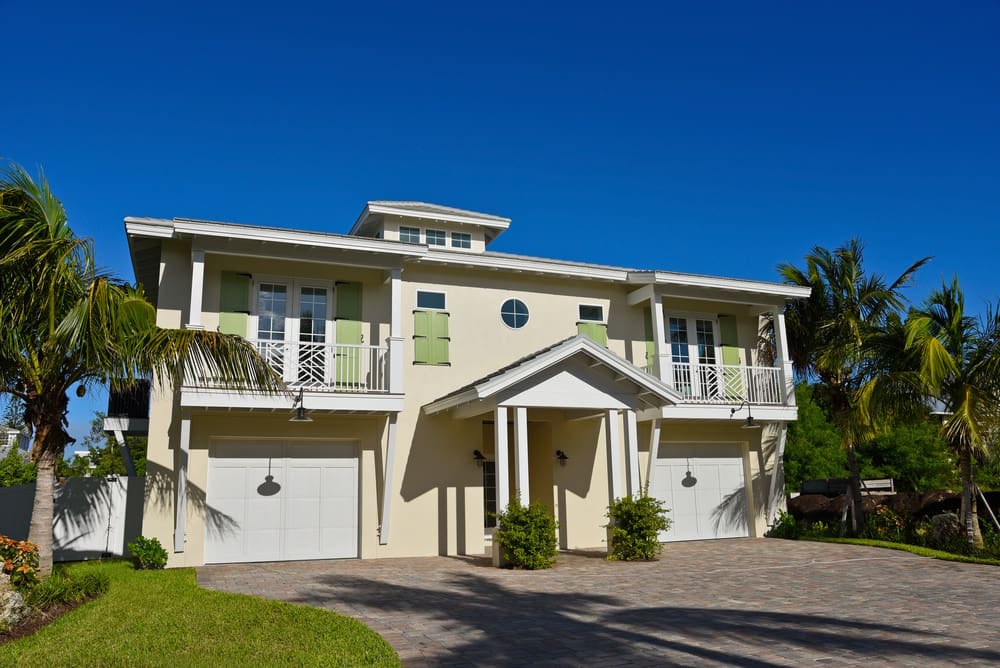
A DP3 (dwelling fire) policy is the coverage a Florida home needs when someone other than the owner is living in it — a long-term tenant, or guests booking through Airbnb or VRBO. The moment a home earns rental income, a standard HO3 homeowners policy usually treats it as a business use and can deny the claim or void the policy. A DP3 is the broadest dwelling-fire form, typically written on an open-perils (“special form”) basis, and on the Emerald Coast it’s one of the coverages we place most often.
Fuller Insurance has written dwelling-fire coverage for 30A and Walton County rental homes since 2007. One of the programs we use is the SURE Dwelling Fire (DP3) program from SageSure — an A-rated (“Exceptional,” Demotech) program built for coastal Florida risk. It writes one-to-four-family homes that are owner- or tenant-occupied, primary or secondary/seasonal, with dwelling coverage up to $4 million (up to $7 million total insured value) and eligibility for properties in Protection Class 1–8. Below is what a Florida DP3 covers, who needs one, and how SURE fits a coastal rental.
What is a DP3 dwelling-fire policy?
“DP” stands for dwelling policy. The DP3 is the broadest of the three dwelling-fire forms — written on an open-perils (“special form”) basis, meaning it covers the structure against any cause of loss except those specifically excluded. For a Florida rental or non-owner-occupied home, it’s the closest equivalent to the HO3 protection an owner-occupant gets. A DP3 generally includes:
- Dwelling (Coverage A) — the structure itself, insured to its full rebuild cost, not market or tax-appraised value.
- Other structures (Coverage B) — detached garages, sheds, and similar; a boat house can be covered even when it’s connected by a dock.
- Loss of rents and living expense (Coverage D & E) — up to 30% of your dwelling limit to replace rental income while the home is uninhabitable after a covered loss. For a property booked months out, this is often the single most valuable coverage on the policy.
- Personal property (Coverage C) and liability (Coverage L) — added to match how the property is used.
Who needs a DP3 in Florida?
You likely need a DP3 — not a homeowners policy — if any of these describe your 30A or Walton County property:
- You rent it to long-term tenants on a lease.
- You host short-term or vacation guests through Airbnb, VRBO, or directly.
- It’s a secondary or seasonal home you also rent part of the year.
- It’s owned by an LLC, trust, corporation, or partnership rather than an individual.
If you rent short-term, the coverage and the underwriting get more specific — we cover that in depth on our vacation & short-term rental insurance page for 30A.
The SURE DP3 program at a glance
- Financial strength: A (“Exceptional”) from Demotech.
- Homes: one-to-four-family — single-family, duplex, triplex, quadplex — owner- or tenant-occupied, primary or seasonal.
- Eligibility: Protection Class 1–8.
- Dwelling coverage: up to $4 million (up to $7 million total insured value); higher-value homes are individually reviewed.
- Perils: windstorm and hurricane included.
- Add-ons: equipment breakdown, personal liability to $500,000, theft, service line, and water back-up; mold coverage is included.
Short-term and vacation rentals: eligible, with conditions
SURE writes Airbnb and VRBO rentals, but underwriting cares how the home is used. A few conditions are worth knowing before you quote:
- Occupancy is capped, and event or party rentals — weddings, banquets, day-use “venue” rentals — aren’t eligible.
- An in-ground pool must be fully fenced so guests can’t reach it directly from the house.
- Providing guests alcohol — even a welcome bottle of wine — makes the rental ineligible.
These are the details a quote engine won’t surface — and why 30A owners work with an agency that writes this coverage every week.
Coastal realities on 30A — wind, flood, and foundations
- Wind/hurricane. Coverage is built in, but on 30A — within about three miles of the Gulf — expect a separate hurricane deductible of 2% or more of your dwelling limit, not a flat dollar amount. Verified wind-mitigation credits on the state OIR-B1-1802 form can meaningfully cut the premium.
- Flood. Flood is never part of a DP3 — and on the coast SURE requires it: homes exposed to “wave wash” (generally a FEMA flood zone within 2½ miles of the shoreline below 25 feet of elevation, or on a barrier island) must carry flood coverage alongside the policy. We line that up for you.
- Foundations. Beach homes on pilings, piers, or posts are eligible — a real advantage on 30A.
As Citizens depopulation keeps moving properties back into the private market, the carrier that fit your home last year may not be the best fit this year. That’s the value of an independent agency that writes these coastal policies every week.
Florida DP3 insurance FAQs
What’s the difference between a DP3 and a homeowners (HO3) policy?
An HO3 is written for an owner-occupied home and builds in contents and personal-liability coverage. A DP3 is written for a rental or non-owner-occupied home; it covers the structure on an open-perils basis and adds contents, liability, and loss-of-rents to match the property’s use.
Does a DP3 cover short-term and vacation rentals?
Yes — programs like SURE cover Airbnb and VRBO rentals, subject to the conditions on occupancy, pools, and amenities above. For the full coastal picture, see our 30A vacation rental insurance page.
Is flood insurance included in a Florida DP3?
No. Flood is always a separate policy through the NFIP or a private flood carrier. On exposed coastal properties, SURE requires a flood policy alongside the DP3.
How much does DP3 insurance cost in Florida?
Premium depends on location, the home’s rebuild cost, construction, distance to the coast, roof age, and your wind-mitigation credits. On the coast, wind mitigation and the hurricane deductible move the number the most. We’ll walk you through both before we quote.
Get a DP3 quote on the Emerald Coast
If you own a rental, vacation, or non-owner-occupied home on 30A, in Santa Rosa Beach, Destin, Miramar Beach, Inlet Beach, or Freeport, Fuller Insurance can place the right dwelling-fire coverage for it. Request a quote or call us at (850) 622-5283, Monday–Thursday, 9 to 4 Central.